
The power of artificial intelligence
It doesn’t take a prophet to predict artificial intelligence will change the world. There is no doubt. AI may prove to be more of a world-changer than the printing press or the internet, which leads the question of AI and Christianity.
Three years ago, after my pastor brought me up to speed (and after hearing lawyers at my firm talking about it), I downloaded the free ChatGPT app from the App Store and began asking it questions.
I found you can talk to it, reason with it, and it learns at an incredible rate.
I was working on preparing a sermon from a difficult chapter in Genesis, and I asked ChatGPT to create a sermon outline for me. In 15 seconds it kicked out an insightful three-point sermon.
I was struggling with trying to decide on a birthday gift for my wife. I asked ChatGPT, and it gave me four categories of gifts that inspired the gift I ultimately chose, which my wife loved.
The more I engage it, the more I am amazed by it.
The more immediate concern
However, 56% of surveyed AI researchers say that there is a 10% chance of man losing control of AI with devastating consequences to humanity.
These aren’t I’ll-Fly-Away Premillennial, Evangelicals; these are computer scientists. It’s a serious concern that will need to be addressed.
But I think there is a much higher chance of a negative outcome of a different nature, and that negative outcome has to do with how we relate to God.
Being quick to turn to AI
The generation coming up — what Carl Truman calls the “therapeutic generation”—is already more likely to seek advice from a therapist than any previous generation, and that almost certainly means they are less likely to seek it from God.
Now you can add to that ChatGPT—or whatever your AI of choice is—because AI gives great advice. It’s positive and encouraging. It will make you feel very good about yourself and correct you in a gentle way. It’s certainly easier to ask ChatGPT for an answer than spend hours in prayer and in the Bible seeking one.
I find myself already doing this when I study the Bible. It’s just easier and faster to ask ChatGPT what the context is for a particular book of the Bible or what a verse means than to dig through commentaries or dig deeper into the text. Less friction equals more use.
A silicon idol
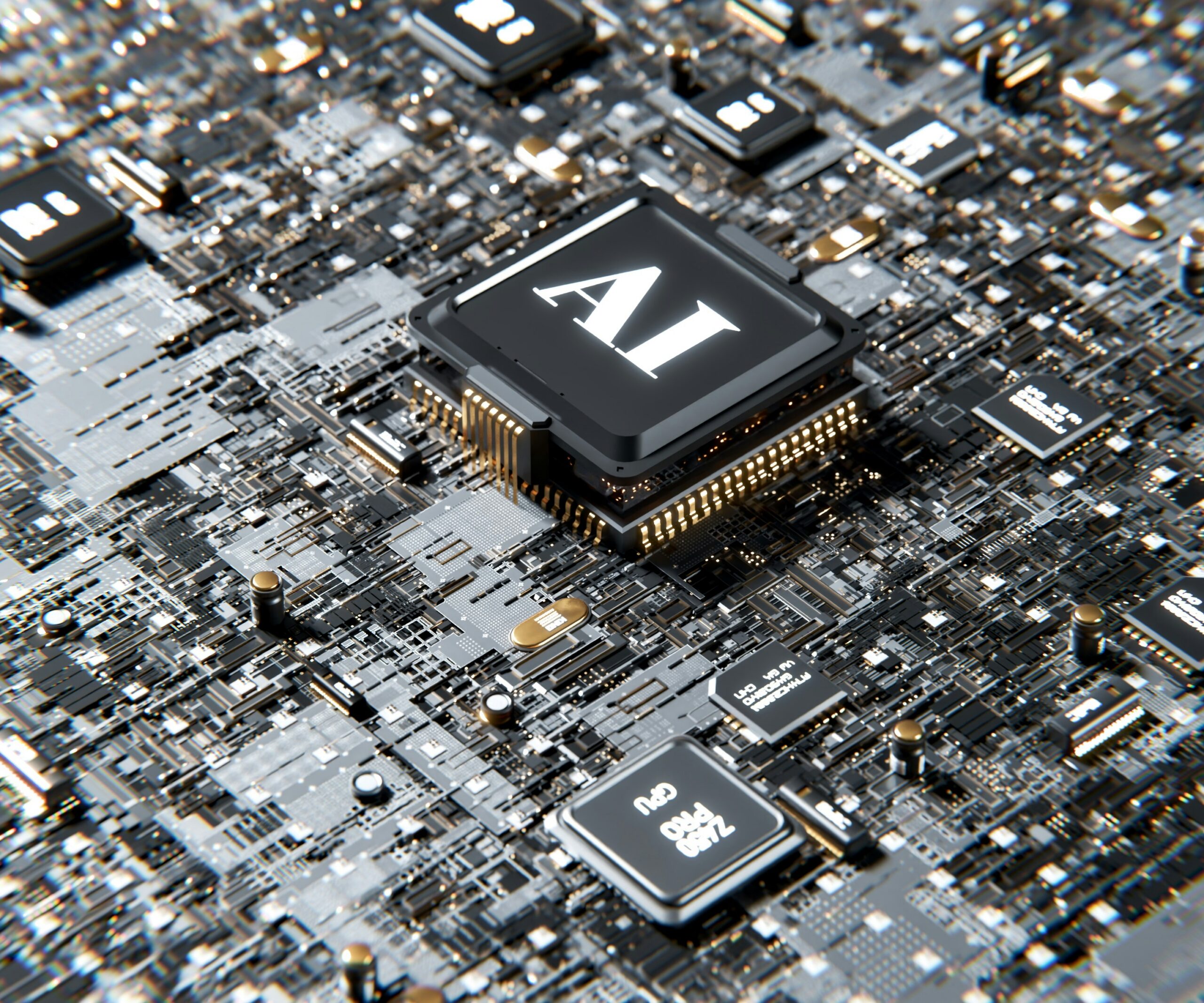
The more we go to AI for answers, the more it becomes like an idol—a silicon idol. It is more sophisticated than the wood or stone kind that caused God to judge Israel, but it is no more transcendent.
It is still only a creation of our own hands.
Artificial intelligence—in this case a Generative Pre-trained Transformer– “thinks” by generating text based on its exposure to a larger language set. That larger language set informs it how to put text together or transform information it obtains from the internet into intelligent conversational language.
What AI can never be
So, while “mechanical,” it appears human, even superhuman. But it is neither.
It gains its information from human output. It just has immediate access to more knowledge than any one human does, and it conveys that information conversationally. So it appears human.
But there is something else it is not and never can be: transcendent.
AI can explain Scripture, but it cannot illuminate it. AI can describe conviction, but it cannot convict. AI can explain repentance, but it cannot produce repentance. AI can imitate wisdom, but it cannot impart the fear of the Lord.
Artificial intelligence can’t tell you what God is calling you to do. It can’t see into your heart, and it can’t speak the word to you that breaks the yoke.
In short, it leaves us mere men and women. Authentic spirituality is transcendent.
Authentic spirituality
Authentic spirituality is not just speaking or acting wisely. It is speaking and acting under the guidance and power of the Holy Spirit. That doesn’t happen because we are taught by a Generative Pre-trained Transformer to put words together more skillfully or because those words are arranged and presented to us as advice.
It may seem obvious to say that artificial intelligence is neither human nor transcendent and never can be, that it is no substitute for a transcendent God or Spirit-led individual.
Throughout history, though, man has bowed to the work of his own hands. AI may become the greatest work of human hands the world has ever seen, which is all the more reason for us to be reminded that a silicon idol is no better than one made of wood or stone. GS

