
When I took my first steps onto the continent of Africa today, I was met by a Tunisian man in a blue suit and red fez. He was holding a fox.
What a fox is doing in Tunis
The less informed might have thought we had docked in a zoo. But I’d been at the port talk. I knew better.
What they do here is insist you pet the fox, hold the fox, love the fox. Then they demand money. If you don’t give it, they accuse you of theft or make a scene. In the American legal community, we call such conduct fraud. Here they call it business.
From where I stood, I could see—but The Wife couldn’t—the swollen, furless place on the back of the fox’s neck. My first thought was it was some rare form of Tunisian canine leprosy.
I tried to pull The Wife along, but she was not hearing it. When our befezzed friend handed her the fox, she took it and nestled the back of its head and neck against her neck. Now my mind was racing—can a person get leprosy from a fox? Would the ship quarantine her?
After what seemed like a lifetime, The Wife handed the sickly critter back to its caretaker, paid the toll, and we got out of there. After all, I had not come to see a mangy fox but Carthage—the site of the Punic Wars, the harbor, and my man, Cyprian.
The ruins of ancient Carthage
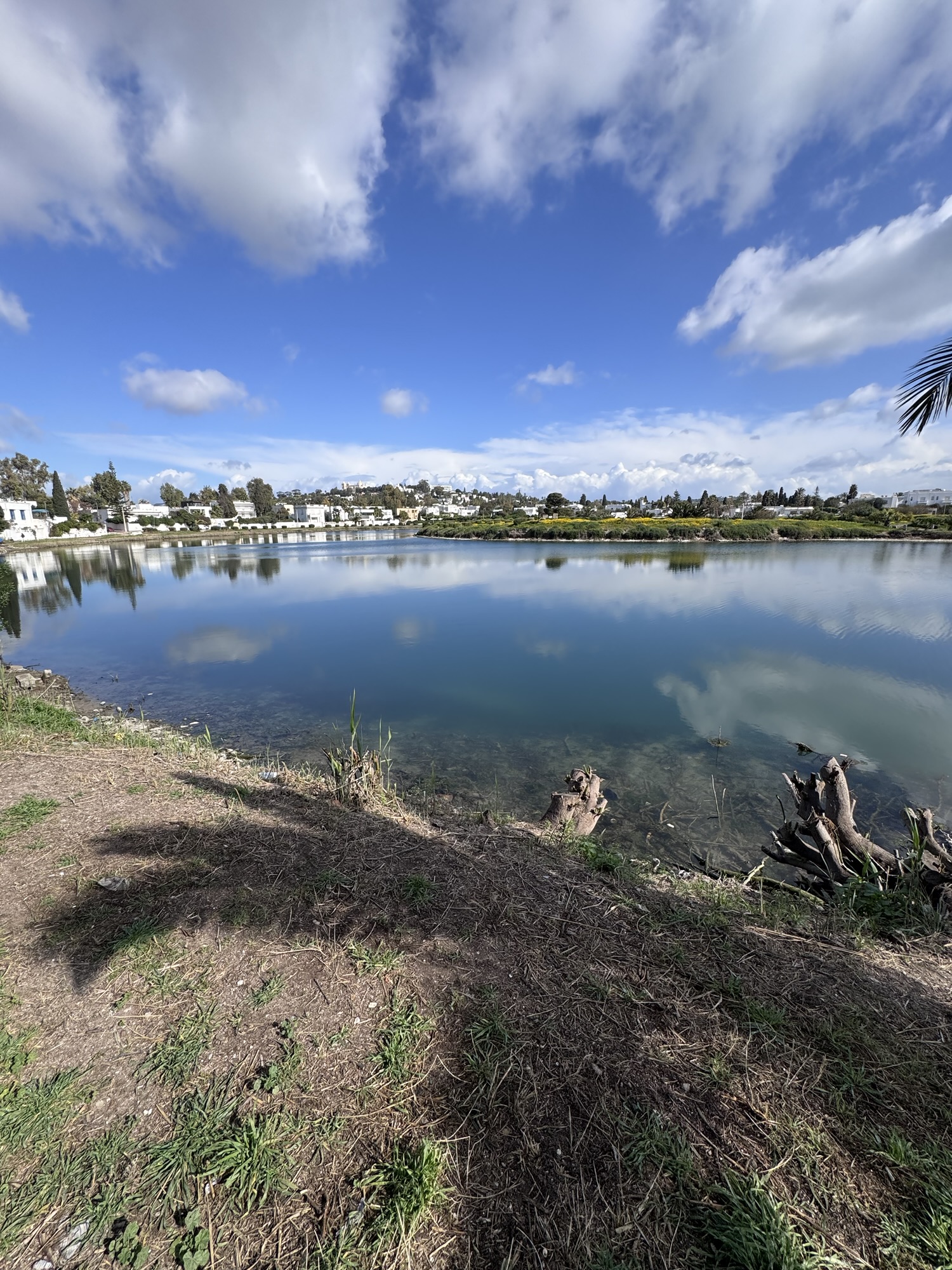
The harbor is still intact but sorely unkempt. In its day, this doughnut-shaped harbor could accommodate 200 warships, which the Carthaginians needed to fend off the Romans.
But when I first saw it, I thought, “Is this really the harbor?” There are no signs, the grass grows wild, and there was no one taking tickets—just a circular body of water surrounded by buildings.

As I tried to imagine the harbor in the second century B.C. before the Romans attacked, I noticed an enormous domed building on the highest hill, just a few miles away. Our guide told me it was the Saint Louis Cathedral (now called the Acropolis of Carthage), built on the spot where St. Louis died during the 8th Crusade in 1270 A.D.
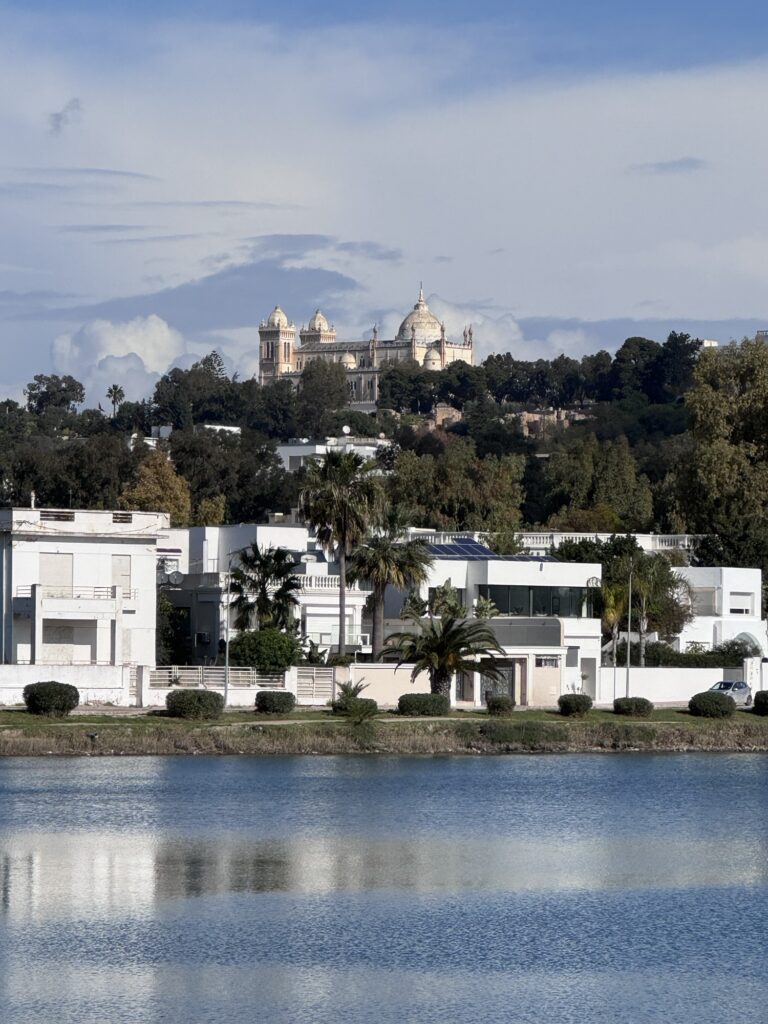
St. Louis is one of my heroes. According to those who actually knew him, he was a man who lived piously, ruled benevolently, and died heroically. If I could have found a way to get there, I would have gone.
St. Louis died here, but there were some great men who lived here as well—Tertullian, Cyprian, and Augustine to name a few. The one I was focused on this day was Cyprian.
The story of Cyprian
Cyprian, by his own account, wasted his youth in dissipation. But when he repented and became a Christian, it was for real. At the age of 38, he was made Bishop of Carthage. Two years later, in 250 A.D. the Decian Persecution of Christians began.
Emperor Decius required all, except Jews, to sacrifice to the Roman gods and obtain a certificate confirming they had done so. Those who refused were put to death.
Then, Just as Decius’s persecution was heating up, the plague appeared. Carthage was not exempt. Many pagans fled the city, leaving their dead in the street rather than risk infection.
Cyprian, though, encouraged Christians to stay and care for the sick, and care not just for believers but pagans as well. Imagine: not even family members and friends would get near the plague-stricken victims, but Christians cared for the pagans who cheered for the death of Christians in the ampitheater.
Our Takeaway
It was a lived example of what Jesus had commanded:
“But I say to you, love your enemies and pray for those who persecute you, so that you may be sons of your Father who is in heaven; for He causes His sun to rise on the evil and the good, and sends rain on the righteous and the unrighteous.” — Matthew 5:44-45
Jesus said that when we love our enemies we show ourselves to be sons of the Father. We demonstrate the person of God to those who do not know Him.
For the Carthaginians, it was a chance to see the Christian God’s love for His creation. For modern Christians navigating a pandemic, it’s a vivid lesson. Cyprian didn’t become political in the plague, he became like Jesus.
Cyprian would later be martyred during the reign of Valerian, when he refused to deny Christ and sacrifice to the Roman gods.
Tertullian, an earlier resident of Carthage, had declared that the blood of Christian martyrs was the seed of the kingdom of God. That is certainly true.
But it wasn’t just the death of Christians that converted pagans. It was their lives of service and love.
Until tomorrow. GS


1 thought on “Mediterranean Travel Devotional: Day 7 – Tunis”
This guide explained everything clearly.
Comments are closed.